House clearance in Chertsey for homes, flats and specialist item removal
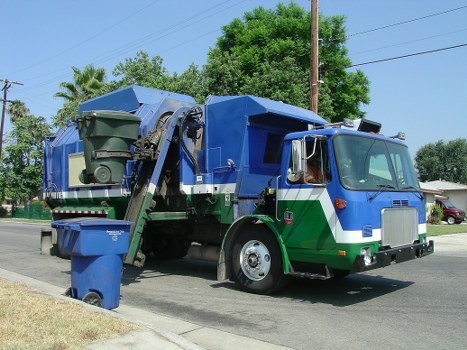
House Clearance Chertsey provides a practical clearance service for homes, flats and mixed domestic spaces in and around Chertsey. The focus is on removing unwanted household contents in an organised way, whether that means a full property clearance, a partial declutter or the removal of bulky items that are awkward to move. The work is planned around access, item type and the amount to be taken away, so the result is tidy, controlled and suited to the property rather than rushed or improvised.
Our service can cover furniture, appliances, general household goods, loft contents, garage items and other domestic items that have built up over time. Where a property needs a broader clear-out, we can also help with items left after a move, a refurbishment or a change in occupancy. If you are comparing options, clear scope and item lists make it easier to match the right service to the right job. Use the sections below to understand the main clearance types and decide which approach is most suitable.
For straightforward enquiries, it helps to note the rooms involved, the approximate volume and any items that need extra care because of size, weight or fragility. A short description is usually enough to start planning. Prepare your enquiry with practical details, then ask for a quotation when you are ready. If the job is time-sensitive or involves access constraints, mention that early so the work can be arranged sensibly.
Domestic clearance options for occupied and empty properties
House clearance work often falls somewhere between a full-property clearance and a smaller room-by-room removal. For occupied homes, we can clear selected rooms, cupboards or stored items without disturbing the rest of the property more than necessary. For empty properties, the aim is usually to remove remaining contents efficiently so the space is ready for cleaning, handover, sale preparation or the next stage of work. The right approach depends on what is present, how it is stored and what needs to stay behind.
The most useful starting point is to separate what should be removed from what is being retained. That allows the clearance to be planned around furniture, personal items and any larger pieces that need dismantling before they are moved. We can work through mixed loads that include soft furnishings, white goods, boxed items and general household goods, and we can adjust the pace to suit stairs, tight hallways or restricted parking. If you need a wider overview, our house clearance service sets out the core domestic work in more detail.
When a partial clearance is the best fit
Not every job calls for a full emptying of the property. Sometimes a partial clearance is the better choice because only one room, a loft section or a particular category of items needs attention. That can be useful when a home is being reorganised, when bulky pieces have become difficult to store, or when you want to regain use of a room without removing everything else. A targeted approach reduces disruption and lets you keep control over what remains.
Furniture, bulky household items and careful removal

Furniture clearance is often the most visible part of a domestic job because large items can dominate a room and affect how easily the rest of the space can be managed. Sofas, wardrobes, beds, tables, cabinets and similar items may need two-person handling, careful lifting or partial dismantling before removal. We can remove individual pieces or a full set, depending on what you want gone. The aim is to move items out safely while protecting walls, floors and remaining fittings as far as practical.
Some households need furniture taken away because it is no longer wanted; others are clearing items that are damaged, mismatched or simply taking up too much space. In both cases, the key is to identify what can be moved as a unit and what needs to be broken down into smaller parts. Our furniture clearance page is useful if your main concern is sofas, beds, cabinets or other large pieces, while furniture disposal covers the removal of individual items that are no longer needed.
Before the work begins, it helps to check whether drawers, cushions, loose shelves or detachable parts should stay with the main item or be removed separately. That small detail can save time on the day and reduce confusion when several pieces are similar. If there are narrow stairwells, low ceilings or awkward turns, let us know so the handling plan reflects the layout. The more accurately the furniture is described, the easier it is to plan a sensible clearance.
Loft, garage and storage-area clearances

Lofts and garages often become long-term storage spaces, which means their contents can be mixed, dusty and difficult to sort without a plan. A loft clearance may involve boxes, old décor, seasonal items, unused luggage and household goods that have been kept back for years. Garage clearance can include tools, shelving, sports equipment, broken appliances and general storage clutter. In both settings, access and layout matter as much as the items themselves because narrow openings, loft ladders or uneven floors can affect what needs to be moved first.
Our loft clearance service is suited to spaces where items are stored above living areas and may have to be passed carefully through stairways or hatch openings. For ground-level storage and domestic outbuildings, garage clearance is the more relevant option. If items are spread between several storage spaces, the job can be approached as a combined domestic clearance so everything is handled in one coordinated visit rather than in separate stages.
- Useful for clearing hidden storage areas before redecoration or rearrangement
- Helpful when boxes, old furniture and mixed household items are stacked together
- Suitable when access needs to be planned around ladders, steps or narrow routes
- Can be adapted to a single room, a section of storage or a fuller property clear-out
These spaces can contain items that have not been looked at for years, so it is worth separating obvious keepers from obvious removals before the team arrives. That makes the job more efficient and reduces the chance of sorting happening in the wrong place. If there are fragile items, low headroom or anything too heavy to move as a single piece, those details should be included with the enquiry.
Garden, outdoor and shed-related clearance
Garden clearance deals with the parts of a property that are outside the main living space but still accumulate waste, storage items and broken materials over time. This can include planters, cuttings, old garden furniture, bagged waste, tools, timber offcuts and miscellaneous items from sheds or exterior storage. Where a garden has been neglected or used for storage, the aim is to remove what no longer belongs there so the space can be maintained, used again or prepared for further work.
If your clearance includes outdoor furniture, broken equipment or items from a shed, it is usually best to describe those separately so the load is planned correctly. The service can then be matched to the sort of access involved, whether that is a path through the house, side access or a gate leading to the rear of the property. For a closer look at this type of work, our garden clearance page outlines the outdoor items that can typically be included. We also handle mixed domestic loads under our home clearance service where several areas need attention together.
Outdoor clearances often benefit from a simple list of the main item types rather than a room-by-room description. That list can help distinguish wood, metal, plant waste and general household items, which may be stored together but need different handling. If the property includes awkward access through a house, mention any tight corridors, steps or shared entrances so the route can be planned realistically. Clear access notes make the process smoother for everyone involved.
Household, flat and home clearances

Some customers need a clearance that covers an entire home, while others are dealing with the more compact layout of a flat or apartment. The practical difference lies in access, volume and the way items are arranged. A flat clearance may involve stair-only access, shared entrances, limited parking or smaller rooms, whereas a larger home may include more rooms, loft spaces and storage areas. The service should reflect the property type rather than forcing a one-size-fits-all approach.
For property-wide work, home clearance is a useful option when several rooms, storage spaces or furniture groups are involved. If the property is a flat or apartment and the layout affects how items are removed, flat clearance is the more specific page to review. Where the job includes a mixture of furniture, household goods and smaller items across the property, the aim is to keep the process structured so the work can progress in an orderly way.
How to prepare a useful quotation request
Two things help more than anything else: a realistic idea of the volume to be removed and a brief description of the items involved. You do not need to produce a long inventory, but it is useful to mention whether the job involves one room, several rooms or a whole property. If certain items are especially heavy, unusually large or awkward to move, that should be noted as well. When the details are clear, the quotation can be matched more closely to the actual work.
Office and commercial waste removal alongside domestic work
While the main focus here is domestic house clearance, some customers also need a separate service for workspaces, stockrooms or office furniture. Office clearance usually involves desks, chairs, filing items, shelving, packaging and other non-domestic contents that are no longer required. The process is different from a house clearance because it often has to take account of business access, shared facilities, equipment separation and the need to keep disruption under control. If you are arranging a broader clear-out for a work premises, it is worth using the most accurate service page rather than treating it as a home job by default.
Our office clearance page is the best fit for work-related furniture and mixed office contents, while business waste removal covers commercial waste streams that are more closely tied to operations, storage or routine disposal needs. We also provide waste removal for general loads where the items do not belong to one single domestic category. Choosing the right service type helps keep the job organised and avoids unnecessary confusion over what is being taken away.
In practice, the main decision is whether the items are part of a household clear-out, a workplace clear-out or a mixed load that sits between the two. If the job includes furniture from a home office, archived material from a business room or general waste from a property used in more than one way, say so in the first enquiry. That way the scope can be assessed against the actual contents rather than the room label alone.
Pricing factors, access and what affects the scope
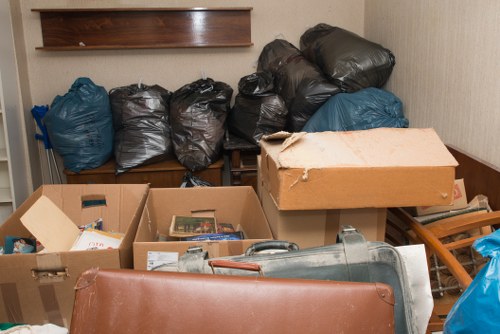
House clearance pricing is usually shaped by the amount of material to be removed, the type of items involved and the ease of access. Large furniture, bulky appliances and mixed loads can take more time to handle than light, easily stacked items. Stairs, distance from parking, limited loading access and the need to dismantle certain pieces may all influence the overall job. A clear description of the property and the contents is therefore more useful than a vague statement that the job is “big†or “smallâ€.
The most helpful way to describe a clearance is to separate the main variables. For example: how many rooms are involved, whether there is loft or garage access, whether the items are mostly furniture or mostly smaller household goods, and whether there are any particularly awkward pieces. Our pricing and quotes page explains the way enquiries are handled, while contact us is the natural place to send the details when you are ready. A concise description is usually enough to begin.
If the job is likely to include several different item types, group them by room or by category so the enquiry is easy to review. That is especially useful where a property has a mix of retained items and items to be taken away, or where the same space contains both household goods and storage clutter. Once the main groups are identified, it becomes much easier to decide on the most suitable clearance approach and request a quotation with confidence.
Recycling, safety and careful handling
A well-managed clearance is not just about removing items; it is also about handling them in a sensible and considerate way. Some items are straightforward to move, while others need extra care because of weight, size, breakability or where they are positioned in the property. Clear routes, sensible lifting and careful loading help protect both the contents being removed and the parts of the property being left behind. Where possible, the work should be planned to reduce unnecessary handling and avoid moving items more than once.
For customers who want to understand how reusable materials and general waste are approached, recycling and sustainability provides a useful overview of the company’s stated approach. If safety and handling are important to your decision, insurance and safety is the relevant page to review before booking. These details matter when a property contains awkward furniture, fragile items or spaces where movement is restricted, because the job needs to be carried out with care and good judgement.
It also helps to think ahead about any items that should not be mixed together, such as personal paperwork, valuables or anything that needs separate attention. A quick check before the clearance begins can prevent confusion later. Good preparation is simple preparation: it is mainly about clarity, access and making sure the items to be removed are identified properly.
About Chertsey
Chertsey is a historic market town in north-west Surrey, set on the River Thames and close to the meadows, lock and waterways that shape the local landscape. Its centre contains a mix of older streets, later commercial buildings and residential areas that have grown around the historic core. One of the town’s best-known landmarks is Chertsey Abbey’s legacy, with the medieval monastery long vanished but still central to the town’s historical identity. The surviving parish church of St Peter, parts of which date back to the 12th century, adds another important layer to the town’s heritage and marks the long continuity of settlement in the area. Chertsey Bridge links the town across the Thames and has been rebuilt in different forms over time, reflecting the importance of movement between the Surrey and Middlesex sides of the river. The town also lies close to major transport routes and is associated with the broader Thames-side pattern of river traffic, market activity and settlement. Chertsey Meads, a notable open area by the river, offers a strong contrast to the built-up parts of the town centre and contributes to its sense of place. In the wider area, the landscape includes riverside walks, local parks and suburban streets that connect Chertsey to nearby communities while preserving a recognisable town identity rooted in its long history.
Request a quotation for your clearance
If you need a house clearance in Chertsey, the best next step is to outline the property type, the main items involved and any access details that may affect the work. A short note about rooms, furniture, loft or garage contents, and anything unusually large or fragile is usually enough to begin assessing the job. Where several areas are involved, list them in a simple order so nothing is missed when the quotation is prepared.
We can then look at the most suitable service path, whether that is a full house clearance, a partial domestic clear-out or a more specific furniture, loft, garage or garden job. If you want to compare the relevant options first, the service pages above give a clearer picture of each type of work. When you are ready, ask for a quotation with the details that matter most.
The final step is straightforward: send the main facts, check the scope against what you want removed and confirm any access notes that may affect loading or timing. For a direct enquiry, use our contact page and include the items you want cleared so we can review the request properly.