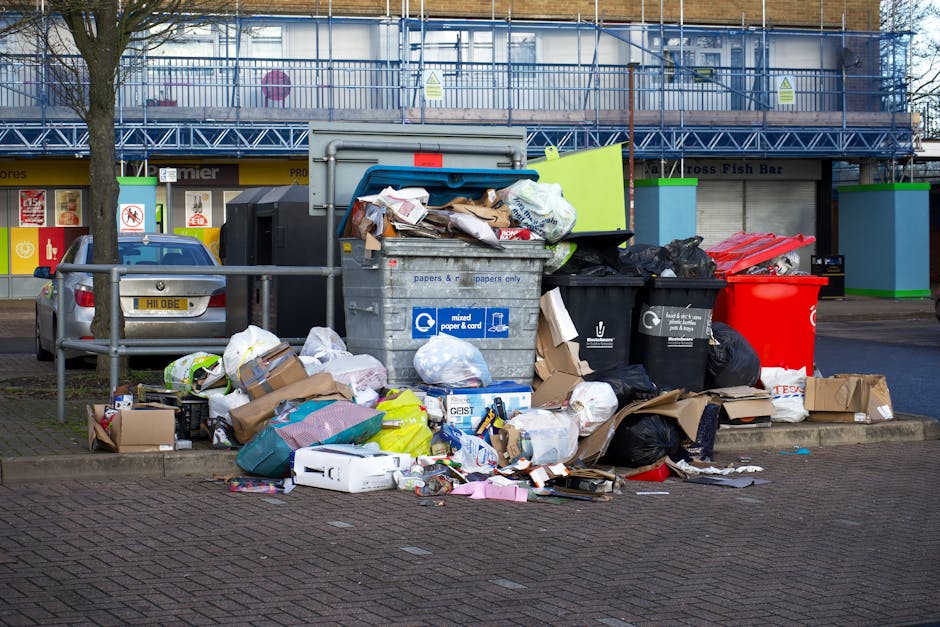
Rubbish removal near Chertsey Abbey and Chertsey Station: a practical local guide
If you are looking at a growing pile of bags, broken furniture, office clear-out debris, or garden waste and thinking, "Right, this needs shifting now," you are in the right place. Rubbish removal near Chertsey Abbey and Chertsey Station is often less about a dramatic house clearance and more about getting everyday life back under control without stress, mess, or an awkward trip to the tip.
That might be a flat near the station with no easy storage, a home close to the Abbey with limited parking, or a business space that needs bins emptied before the next opening day. Whatever the setting, good rubbish removal should feel simple: clear communication, sensible timing, careful handling, and a tidy finish. In this guide, we'll walk through how it works, what to expect, where people go wrong, and how to choose the right approach without overpaying or cutting corners.
One small note from experience: the "cheap and quick" option is not always the best one. Sometimes it is. Sometimes it really, really isn't.
Table of Contents
- Why rubbish removal near Chertsey Abbey and Chertsey Station matters
- How rubbish removal works in practice
- Key benefits and practical advantages
- Who this is for and when it makes sense
- Step-by-step guidance
- Expert tips for better results
- Common mistakes to avoid
- Tools, resources and recommendations
- Law, compliance, standards, and best practice
- Options, methods, and comparison table
- Case study or real-world example
- Practical checklist
- Conclusion
- Frequently asked questions
Why Rubbish removal near Chertsey Abbey and Chertsey Station Matters
Local rubbish removal is not just about getting rid of clutter. It affects access, safety, neighbourhood appearance, and how smoothly your day runs. Near Chertsey Abbey and Chertsey Station, that matters more than many people first realise. These are areas where foot traffic, vehicle movement, and mixed property types all come into play, so waste left out too long can become more than an eyesore.
For a homeowner, the issue may be a loft clear-out or a garden project that has generated far more waste than expected. For a landlord or letting agent, it may be end-of-tenancy debris that needs removing quickly before viewings. For a shop or small office, it may be packaging, broken fixtures, or unwanted stock that cannot just sit there all week. Truth be told, rubbish has a habit of expanding to fill whatever space it has.
There is also a practical side to the location itself. Busy streets, limited loading space, and nearby residential entrances can all make waste removal feel more complicated than it should. A good service understands this and plans accordingly, rather than turning up unprepared and blocking half the pavement. That sort of thing tends to annoy everyone.
Key takeaway: local rubbish removal works best when it is planned around access, timing, waste type, and disposal route - not just the size of the pile.
For businesses and homeowners who want a dependable, local approach, it also helps to choose a provider with clear policies around who they are and how they work, because trust is a big part of the decision. You are letting someone into your space. That should feel straightforward, not vague.
How Rubbish removal near Chertsey Abbey and Chertsey Station Works
The process is usually simpler than people expect, although the details matter. Most rubbish removal jobs follow a fairly clear pattern: identify what needs removing, agree the price or estimate, arrange a collection time, load the waste safely, and transport it to the appropriate disposal or recycling facility.
In real terms, it often starts with a brief description or photos. That helps the team understand the amount of waste, whether heavy lifting is needed, and whether there are any awkward items such as mattresses, wardrobes, white goods, rubble, or mixed materials. If you have ever stood in a room wondering how one broken sofa managed to block the whole place, you will know why this matters.
On the day, the crew should arrive with the right vehicle and the right equipment. Depending on the job, that might include sacks, gloves, trolleys, straps, protective coverings, and the know-how to move items without damaging walls, floors, or stairwells. Near a station or busy high street, timing matters too, because loading can be much easier early in the day or during quieter periods.
Some jobs are simple "man and van" collections. Others are closer to full clearances where the team sorts through mixed waste and separates recyclable materials where possible. A proper provider will explain what can be taken, what needs special handling, and how the load is managed. That clarity is worth a lot.
If you are comparing services, it is sensible to look at pricing and quotes early on so you understand whether the cost structure is based on volume, weight, item type, access, or a combination. Hidden surprises are not a good look for anyone.
Key Benefits and Practical Advantages
Good rubbish removal brings more than convenience. It can reduce stress, make rooms usable again, and prevent waste from becoming a lingering problem. The benefits are especially noticeable when you need something sorted quickly and properly.
- Faster space recovery: You get floors, driveways, and storage areas back without waiting around for multiple trips.
- Less physical strain: Heavy lifting is taken care of, which matters with bulky items or stairs.
- Cleaner presentation: Useful for viewings, business premises, end-of-tenancy handovers, and family visits.
- Better waste handling: Reusable and recyclable materials can be separated more thoughtfully.
- Lower hassle: No need to hire a van, queue at a disposal site, or juggle several loads yourself.
- Local convenience: A nearby service can often work around road conditions, access points, and timing pressures more easily.
There is also a less obvious benefit: momentum. Once the rubbish is gone, people usually finish the rest of the job. A clear room tends to trigger the next sensible step, whether that is decorating, renting, reorganising, or simply breathing a little easier.
If sustainability matters to you, it is worth checking a provider's approach to sorting and diversion from landfill. A good place to start is the company's recycling and sustainability information, because responsible disposal should not be an afterthought.
Who This Is For and When It Makes Sense
Rubbish removal near Chertsey Abbey and Chertsey Station suits a wide range of people. It is not only for major clear-outs. In fact, some of the most common jobs are surprisingly ordinary.
- Homeowners clearing lofts, garages, sheds, spare rooms, or gardens.
- Renters dealing with leftover furniture or unwanted items before moving out.
- Landlords and agents needing fast turnaround after a tenancy ends.
- Local businesses removing packaging, stock, shelving, or old office furniture.
- Tradespeople needing mixed construction waste collected after a small job.
- Older residents or family helpers who want practical support with sorting and lifting.
It also makes sense when waste is too much for normal household bins, too awkward for a car boot, or too time-sensitive to leave sitting around. A wet cardboard pile in the corner of a hallway, for example, quickly becomes a smell and a nuisance. Nobody wants that, especially on a damp winter evening.
If safety is a concern, especially with heavy or sharp items, it helps to review the provider's health and safety approach and insurance and safety information before booking. That is just sensible. Not glamorous, but sensible.
Step-by-Step Guidance
Here is a practical way to approach the job without making it harder than it needs to be.
- Sort the waste into rough groups. Keep bulky furniture, general rubbish, recyclables, garden waste, and anything potentially hazardous separate if you can.
- Take a quick inventory. Note large items, number of bags, access issues, and whether anything is heavy or fragile.
- Request a clear quote. Ask how the price is calculated, what is included, and whether there are extra costs for difficult access or specialist items.
- Confirm timing. Near the Abbey or station, collection times can matter more than usual, especially where parking is limited or traffic is busy.
- Prepare the area. Move pets, open gates, clear a path, and protect surfaces if necessary.
- Check what stays and what goes. It sounds obvious, but mistakes happen when similar-looking items are stacked together.
- Ask for the waste to be handled responsibly. Recycling, reuse, and correct disposal should all be part of the conversation.
- Do a final walk-through. Make sure nothing important has been taken and that the area is left tidy.
A small but useful tip: if you are clearing a room with a mix of valuables, paperwork, and rubbish, mark what stays before anyone starts lifting. It saves confusion later. A roll of tape and a marker pen can prevent a surprising amount of faff.
Expert Tips for Better Results
After enough clear-outs, a few patterns become obvious. These are the habits that make rubbish removal smoother, cheaper, and less stressful.
- Photograph everything before the quote. Good images reduce misunderstandings and improve accuracy.
- Separate sharp, dirty, or damp waste. It helps with safe handling and keeps the load organised.
- Be realistic about access. Narrow staircases, controlled parking, and upstairs flats can change the effort involved.
- Combine related jobs where sensible. If you are already clearing a room, it may be more efficient to remove the contents in one visit.
- Ask about recycling first. Reuse and material separation should be part of a thoughtful service, not a last-minute promise.
- Choose a time that works for the building. Morning slots are often easier for loading and less disruptive for neighbours.
Another little thing: if you are in a rush, say so plainly. A provider cannot help you work out the real schedule if you present it like a mystery puzzle. "We need it gone by Thursday lunchtime" is far more useful than "soon, ideally."
For payment confidence and day-of-job clarity, it is also reasonable to review payment and security information so you know what to expect before anyone arrives. Not exciting, granted, but it keeps things tidy.
Common Mistakes to Avoid
A lot of rubbish removal problems are avoidable. They usually happen because someone was trying to move quickly and skipped one small step. Small step, large headache.
- Not checking what the service actually includes. Some quotes cover only loading; others include sorting and disposal. That difference matters.
- Underestimating volume. A few "extra" bags can change the job more than you expect.
- Forgetting restricted items. Certain waste types may need special handling, so do not assume everything can go together.
- Leaving access until the last minute. Parking, keys, gates, entry codes, and lift access should all be sorted before arrival.
- Choosing only on price. The cheapest option can be fine, but if the service is vague or uninsured, the savings disappear quickly.
- Mixing rubbish with items you meant to keep. This one hurts. A lot.
There is also a communication mistake people make all the time: they describe waste as "just a few bits and pieces." Then the team arrives to find half a shed, an old fridge, three broken chairs, and a mysterious bag of renovation debris. Let's be honest, that is not "a few bits and pieces."
Tools, Resources and Recommendations
You do not need much to organise a sensible rubbish removal, but a few simple tools make the whole thing easier.
- Phone camera: Useful for quoting, planning, and showing access issues.
- Marker pen and labels: Handy for separating keep, donate, and remove items.
- Heavy-duty bags or boxes: Better for mixed light waste and loose items.
- Gloves and sturdy footwear: Particularly useful when sorting beforehand.
- Tape measure: Helpful for checking bulky furniture against doors, stairwells, or narrow hallways.
- Notebook or checklist: Great for noting what needs removing and what must stay put.
For a smoother customer journey, it can help to read the company's terms and conditions and contact details before booking. That way, you know how changes, cancellations, or special instructions are handled. It is boring reading, yes. But boring is good when it avoids arguments later.
You can also browse the main site for a broader picture of the service and how it fits alongside other clearance needs via the home page. That can be useful if your rubbish removal is part of a larger clearance plan.
Law, Compliance, Standards, or Best Practice
Waste disposal in the UK should be handled carefully and responsibly. Without getting lost in legal jargon, the main point is simple: waste should go to the right place, be transferred responsibly, and be handled by people who understand their duties. If a provider is vague about where waste goes or how it is managed, that is a red flag.
Best practice usually includes proper loading, safe lifting, clear communication, responsible sorting, and appropriate disposal routes. For mixed waste, it is also normal to separate recyclable material where possible. That does not mean everything gets recycled - no one should overpromise here - but a conscientious team will think about it rather than dumping everything together and calling it a day.
From a safety angle, you should expect sensible precautions around sharp objects, heavy items, dust, and awkward lifting. Near busy areas like Chertsey Abbey and Chertsey Station, safe movement in shared spaces matters too. Hallways, stairwells, entrances, and parking spaces should all be treated with care.
If your job involves sensitive information, business materials, or anything with privacy implications, make sure you understand how the company handles customer data by reviewing the privacy policy and cookie policy. That is especially relevant if you first enquire online or share photos for a quotation.
For anyone concerned about fairness, service standards, or what happens if something goes wrong, the complaints procedure can be a useful sign of how seriously a provider takes accountability. Not glamorous, but it says a lot.
Options, Methods, or Comparison Table
There is more than one way to get rubbish removed, and the best option depends on time, volume, access, and how much work you want to do yourself.
| Method | Best for | Pros | Trade-offs |
|---|---|---|---|
| DIY tip run | Small loads, flexible schedules | Can be cost-effective for light waste | Time-consuming, physical effort, vehicle needed |
| Skip hire | Longer projects, ongoing waste generation | Useful for renovation or garden work | Needs space, permits may apply, loading is your job |
| Professional rubbish removal | Quick clear-outs, bulky items, mixed waste | Fast, convenient, minimal lifting for you | Usually priced above a self-managed trip, though often worth it |
For many people near the Abbey or station, professional rubbish removal is the sweet spot because access can be awkward and parking can be tight. That is especially true when the waste is bulky or there are stairs involved. Nobody wants to carry a broken wardrobe down two floors, round a corner, and into a car that is too small anyway.
If budget planning matters, use pricing and quote guidance to compare what is actually included. A clear quote beats a low headline price almost every time.
Case Study or Real-World Example
Imagine a small first-floor flat near Chertsey Station after a move-out. The tenant has a sofa, a dismantled bed frame, four black bags, a broken desk chair, and some packaging left behind from new furniture. Nothing dramatic, but too much to carry on foot and too bulky for a normal car.
The first mistake would be trying to "do it later" and leaving it in the hallway for a week. That is how clutter becomes friction with neighbours or building management. The better approach is to photograph the items, note the stairs and access route, and arrange a collection with a provider that understands local loading conditions.
On collection day, the team arrives with the right vehicle, removes the bulky items carefully, checks the flat is clear, and leaves the space ready for the next occupant. Simple enough, but there is value in that simplicity. No drama, no repeated trips, no sore back the next morning.
A similar pattern applies to a shop clear-out near the Abbey, where packaging, display items, and old shelving may need clearing before new stock arrives. In those cases, speed and tidiness matter just as much as disposal itself. A clean handover keeps the next step moving.
Practical Checklist
Use this checklist before booking rubbish removal near Chertsey Abbey and Chertsey Station:
- List all items to be removed, including bulky pieces.
- Take clear photos of the waste and access routes.
- Check whether anything is fragile, heavy, wet, sharp, or awkward.
- Confirm parking, entry, lift access, and any time restrictions.
- Decide what must stay, and label it clearly.
- Ask how the quote is calculated and what is included.
- Check payment details before the job day.
- Review safety, insurance, and customer policy information.
- Ask whether recyclable materials will be separated where appropriate.
- Make sure pets, children, and valuables are out of the way during collection.
Small but important habit: keep one quick reference list on your phone with the items that matter most. It saves a surprising amount of back-and-forth.
Get a free quote today and see how much you can save.
Conclusion
Rubbish removal near Chertsey Abbey and Chertsey Station works best when it is treated as a practical local service, not just a quick lift-and-go job. The right provider should make life easier by understanding access, timing, waste type, safety, and disposal expectations. That is what turns a messy problem into a manageable one.
Whether you are clearing a flat, tidying a business, handling a landlord changeover, or just getting rid of the stuff that has been bothering you for months, a good plan makes all the difference. Start with a clear list, ask for a straightforward quote, and choose a service that feels transparent and grounded.
And once the clutter is gone, the room always looks bigger than you expected. Funny how that works.
Frequently Asked Questions
What counts as rubbish removal near Chertsey Abbey and Chertsey Station?
It usually means collecting and disposing of unwanted household, garden, office, or bulky waste from homes and businesses in the local area. That can include furniture, bags of mixed rubbish, white goods, and general clear-out debris.
How quickly can rubbish be removed?
That depends on the provider's availability, the size of the job, and access conditions. Small jobs can often be arranged quite quickly, while larger or more complex clearances may need a bit more planning.
Is rubbish removal better than hiring a skip?
It depends on the job. A skip is often useful for longer projects where you are generating waste over several days. Professional rubbish removal is usually better when you want fast collection, help with lifting, or easier handling of bulky items.
How is the cost usually worked out?
Most providers base pricing on the volume and type of waste, the labour involved, and any access challenges. It is wise to ask exactly what is included before you book so there are no surprises.
Can I include mixed household and garden waste in one collection?
Often, yes, although some items may need to be separated or handled differently. A good provider will explain what can go together and what should be left out.
Do I need to be at the property during collection?
Usually, yes, or at least someone needs to be available to grant access and confirm what is being taken. Some arrangements can be made differently, but that should always be agreed in advance.
What should I do before the team arrives?
Clear a path, separate items you want to keep, secure pets, and make sure access details are ready. If you have parking restrictions or a tricky entrance, mention that early.
Can rubbish removal help with end-of-tenancy clear-outs?
Yes. In fact, that is one of the most common reasons people book it. It helps remove leftover furniture, bags, and unwanted items quickly so the property can be handed over cleanly.
Is it safe to leave rubbish outside before collection?
Only if it is clearly permitted, secure, and not blocking access routes. In busy or shared areas, leaving waste outside can cause nuisance or safety issues, so it is better to keep it controlled until collection time.
What should I ask before choosing a rubbish removal service?
Ask what the quote includes, how they handle recycling, whether they are insured, how they manage access and parking, and what happens if the job changes on the day. Clear answers are a very good sign.
Are there items that cannot usually be taken with general rubbish?
Yes, some items may require special handling or separate arrangements. If you have anything unusual, mention it upfront rather than assuming it can be loaded with everything else.
How do I know if a provider is reliable?
Look for clear communication, sensible pricing, transparent policies, and a professional approach to safety and disposal. If you want to understand the team behind the service, a good place to start is the company's about us page and support information.
If you are ready to clear the clutter and get the space back, the next step is refreshingly simple: make the list, take the photos, and ask for a quote. From there, it usually gets easier fast. Little by little, the place starts to feel like yours again.