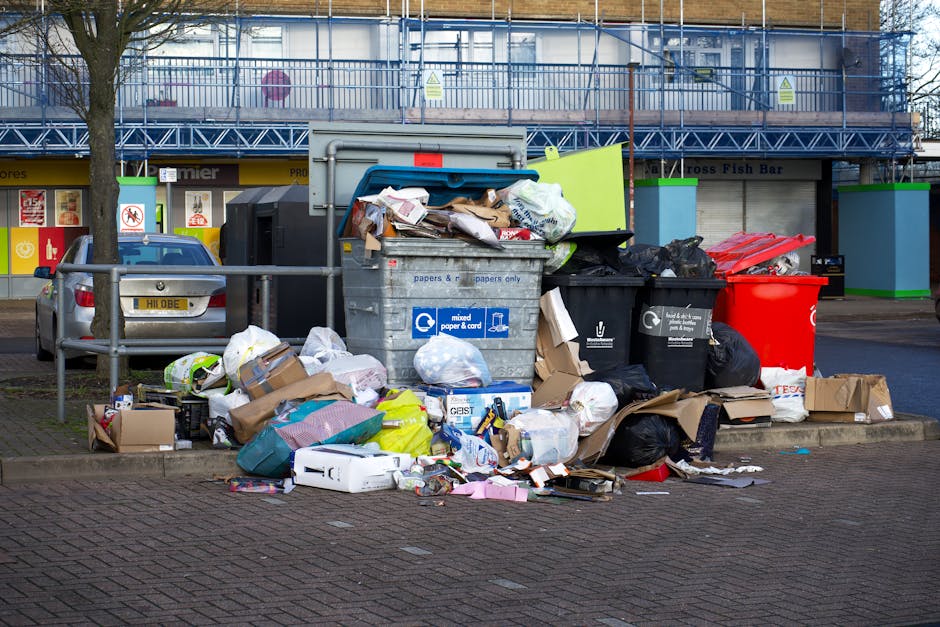
Garage clearances and rubbish removal Penton Hook Chertsey
If your garage has slowly turned into the place where "I'll deal with that later" items go to live, you are not alone. Boxes with no labels, broken tools, old paint tins, a bike nobody rides, maybe a garden chair with one wobbly leg - it adds up. Garage clearances and rubbish removal Penton Hook Chertsey is about turning that crowded, slightly chaotic space back into something useful, safe, and easy to manage.
Whether you are preparing a move, reclaiming storage space, clearing out after a renovation, or just fed up with stepping round clutter every time you open the door, a proper clearance can make a huge difference. And to be fair, it is often less about "junk" and more about decision fatigue. What stays? What goes? What needs special handling? This guide walks you through the full process in plain English, including how the work is usually done, what to watch out for, and how to choose a sensible rubbish removal approach in the Penton Hook and Chertsey area.
For related support across the rest of the property, you may also find our pages on rubbish removal services, house clearance, and office clearance useful when planning a larger tidy-up.
Table of Contents
- Why Garage clearances and rubbish removal Penton Hook Chertsey Matters
- How Garage clearances and rubbish removal Penton Hook Chertsey Works
- Key Benefits and Practical Advantages
- Who This Is For and When It Makes Sense
- Step-by-Step Guidance
- Expert Tips for Better Results
- Common Mistakes to Avoid
- Tools, Resources and Recommendations
- Law, Compliance, Standards, or Best Practice
- Options, Methods, or Comparison Table
- Case Study or Real-World Example
- Practical Checklist
- Conclusion
- Frequently Asked Questions
Why Garage clearances and rubbish removal Penton Hook Chertsey Matters
A garage is meant to be flexible space. In theory, it stores the car, keeps tools tidy, and maybe gives you room for bikes, sports gear, or a freezer. In real life, garages often become the overflow zone for homes and small businesses. That is why garage clearances and rubbish removal in Penton Hook Chertsey matter so much: they restore order in a space that quietly affects everyday life.
A cluttered garage can make simple jobs harder. Finding a drill becomes a 20-minute hunt. You avoid parking indoors because the path is blocked. Damp cardboard starts to smell. Items get damaged because they are stacked badly or left on a cold concrete floor. Small problems, sure, but they pile up. Before long, the garage is not storage; it is stress with a roller door.
There is also a practical side. A clear garage can improve access, reduce trip hazards, and make it easier to spot anything that should be repaired, recycled, donated, or disposed of properly. In many homes around Chertsey and nearby villages, the garage is one of the first places people tackle before selling a property, arranging a let, or starting a conversion. If you are combining the job with a broader tidy-up, our garage clearance service page explains the wider process in more detail.
Expert summary: A proper garage clearance is not just about getting rid of unwanted items. It is about making the space usable again, handling waste sensibly, and avoiding the common trap of moving clutter from one corner to another.
How Garage clearances and rubbish removal Penton Hook Chertsey Works
Most garage clearances follow a straightforward process, though the exact approach depends on what is inside the space. A light clearance with boxes, old packaging, and general household clutter is very different from a garage full of broken furniture, paint, old appliances, or mixed waste. The basic workflow stays similar, though.
Typical clearance process
- Initial assessment: A quick look at the volume, access, and type of items. This is where hidden complications usually show up - the old chest freezer in the corner, the heavy cabinet, the surprise pile behind the shelves. Happens all the time.
- Sorting: Items are separated into keep, donate, recycle, and dispose piles. If you are doing some of it yourself first, this stage becomes much quicker.
- Safe lifting and loading: Rubbish removal is not just "carry it out". Good practice is to move heavier pieces carefully, protect floors and door frames, and avoid blocking access routes.
- Transport: Waste is taken away in suitable vehicles. Mixed loads often need sensible segregation so recyclable materials do not end up buried with general waste.
- Final sweep: The space is cleared and left ready for its next use, whether that is parking, storage, or a new project.
In a family garage, the biggest time-sink is usually sorting. People forget what is there. You open one box and find three others inside it. Then there are the odd bits: cables with no plug, spare tiles from a long-finished bathroom, and half-used decorating supplies. Truth be told, garages are where indecision goes to hide.
If the job includes bulky furniture or a full property clearout rather than just garage contents, it can help to read about bulky item removal and junk removal so you can understand the differences in service style and handling.
Key Benefits and Practical Advantages
The benefits go beyond having a tidier floor. A good garage clearance gives you back time, space, and a bit of breathing room. That sounds simple, but anyone who has lived with a cluttered garage knows how satisfying it feels when the space opens up again. You can hear your footsteps. You can see the walls. Small thing, big relief.
Practical advantages at a glance
| Benefit | What it means in practice | Why it matters |
|---|---|---|
| More usable space | Room for parking, storage, tools, or hobbies | Makes the property easier to live in and maintain |
| Safer access | Less clutter, fewer trip hazards, clearer walkways | Reduces everyday risks |
| Better organisation | Items can be sorted and grouped logically | Helps you find what you need quickly |
| Cleaner disposal | Waste is handled in a more responsible way | Supports recycling and avoids fly-tipping risks |
| Less stress | A clear space feels calmer and easier to use | Good for day-to-day wellbeing |
There is also a resale and lettings angle. A tidy, empty garage can make a home feel better maintained. Even if nobody mentions it directly, buyers and tenants notice practical space. They may not say, "Ah yes, excellent clearance work," but they will absolutely notice a room they can actually use.
And for many households, the best part is simpler: once the garage is clear, you stop paying the mental cost of ignoring it. That is a real benefit. Not glamorous, but real.
Who This Is For and When It Makes Sense
Garage clearances and rubbish removal in Penton Hook Chertsey can suit a lot of different situations. It is not only for people with a completely full garage. Sometimes the trigger is smaller: a new baby, a house move, an inherited property, or a garage that has become a dumping ground after years of family life.
Common situations where a clearance makes sense
- You want to park a vehicle in the garage again.
- You are preparing to move house and need storage areas cleared.
- You have inherited a property and need a respectful, organised tidy-up.
- You are planning a conversion or renovation and need the room emptied first.
- You have accumulated broken, unused, or duplicate items that no longer serve a purpose.
- You are dealing with bulky rubbish after a declutter or home improvement project.
This kind of service also suits people who do not want to deal with multiple trips to a disposal site, lifting heavy items, or separating mixed materials themselves. If your garage contains awkward bits like old white goods, timber offcuts, or scrap metal, a coordinated service can save a fair bit of hassle. Not every household wants a weekend of van loading, and that is entirely reasonable.
If the garage is part of a wider office, rental, or landlord project, it may be useful to compare it with commercial clearance or even a broader clearance services overview to see which route fits best.
Step-by-Step Guidance
If you want the smoothest possible result, it helps to break the job down. A garage clearance becomes much less overwhelming when you treat it as a series of small decisions rather than one giant task.
1. Start with a rough plan
Ask yourself what the garage needs to do after the clearance. Park a car? Store garden equipment? Make space for a workshop bench? Knowing the end goal makes sorting easier. Otherwise you can end up clearing everything only to put half of it straight back in again. Slightly painful, that.
2. Separate items before anyone starts lifting
Pull items into broad categories:
- Keep: tools, seasonal items, equipment you genuinely use
- Donate or pass on: usable furniture or equipment in decent condition
- Recycle: metals, cardboard, certain plastics, wood, and other recoverable materials where appropriate
- Dispose: broken, contaminated, unsafe, or unusable waste
3. Identify anything that needs special handling
Paints, oils, batteries, chemicals, gas canisters, and electrical items may need separate handling. Do not mix them blindly with general waste. If you are unsure, keep them aside and ask before loading.
4. Clear a safe route
Before heavy lifting starts, make sure there is a clear path to the door. That sounds obvious, but in busy garages the path is often the first thing to disappear. Move smaller items first so bigger items can come out cleanly.
5. Remove waste in the right order
Usually, it is better to take out the bulky items before the loose bits. Big items create space. Once they are gone, everything else becomes easier to sort and bag. One box of old Christmas decorations, one cracked garden table, and suddenly the whole room feels different.
6. Finish with a reset
A cleared garage is the ideal moment to add storage that makes sense: shelving, labelled boxes, wall hooks, or racks. Without a simple system, clutter creeps back. Quietly. Very quickly, actually.
Expert Tips for Better Results
After enough clearances, a few patterns become very clear. The jobs that run best are not always the ones with the least stuff; they are the ones where the decisions are easy and the access is planned well.
- Decide your keep pile before the clearance day: if you leave this until the last minute, you will slow everything down.
- Label anything that is staying: it saves time later and prevents accidental disposal.
- Photograph valuable or uncertain items first: helpful if you need to check sizes, condition, or whether something should be sold or kept.
- Check the garage floor and walls for damp: if there has been moisture, cardboard and soft furnishings may not be worth keeping.
- Be realistic about emotion: some items are not hard to clear because they are heavy, but because they carry memories. That is normal.
A small but useful trick: stand at the garage door and look in with fresh eyes. What is blocking the view? What is actually taking up space? Often the obvious answer is not the right one. People obsess over the contents of a few boxes, while the real space-guzzler is the dead sofa sitting sideways against the wall. Classic.
For more planning support around household clean-outs, our decluttering guide and waste collection page can help you think through the order of work.
Common Mistakes to Avoid
The most expensive mistakes in garage clearances are usually not financial in the dramatic sense. They are time-wasters, safety issues, or missed opportunities to recycle and organise properly. The good news? Most are easy to avoid once you know what to look for.
Frequent pitfalls
- Starting without sorting: if everything goes into one pile, you create more work later.
- Underestimating heavy or awkward items: fridges, cabinets, old machinery, and damp furniture often need more care than expected.
- Mixing hazardous items with general rubbish: this is a bad habit and can cause handling problems.
- Keeping duplicates "just in case": one spare drill bit set, fair enough. Three broken extension leads? Probably not.
- Ignoring access: narrow driveways, low ceilings, and cramped garage layouts can make the job slower if nobody plans for them.
- Forgetting the after-plan: if you do not decide how the space will work once cleared, clutter usually returns.
Another common issue is trying to clear too much in one go without a break. People start strong at nine in the morning and, by lunchtime, they are sitting on an old crate staring at a pile of mystery cables. Understandable. If that sounds familiar, split the job into zones. Left wall first. Back corner next. Then the middle. Small wins.
Tools, Resources and Recommendations
You do not need a warehouse of equipment to clear a garage well, but a few sensible tools make the job smoother and safer. The best setups are simple and practical, not flashy. No one needs a "garage-clearance gadget system" with seven attachments and a Bluetooth beep, thank you very much.
Useful tools
- Strong gloves for handling rough or dusty items
- Heavy-duty bin bags or rubble sacks
- Labels or marker pens for sorting
- Tape and boxes for grouping keep items
- A torch or work light for dark corners
- A dustpan, brush, and basic cleaning supplies for the final sweep
- A trolley or sack truck for awkward heavier items, where suitable
Useful planning resources
There are three kinds of resources that tend to help most:
- Planning tools: simple checklists and inventory notes
- Storage tools: shelves, stackable boxes, hooks, and racking
- Removal support: services that can collect mixed loads, bulky waste, or complete garage contents
If you want to combine the garage job with a broader tidy-up of the property, a structured approach through property clearance can be useful. For recurring waste issues, our waste clearance page may also be a practical next stop.
Law, Compliance, Standards, or Best Practice
Any rubbish removal work should be carried out responsibly, especially where items may be recyclable, bulky, or potentially hazardous. In the UK, the general expectation is that waste is handled by a suitable carrier and taken to an appropriate facility. You do not need to be a compliance expert to make good decisions, but you should ask sensible questions before waste leaves your property.
Best practice usually includes:
- confirming how waste will be transported
- separating any hazardous or specialist items
- avoiding fly-tipping or unlicensed disposal
- keeping records or receipts where appropriate for business or landlord use
- choosing providers who can explain their process clearly
If you are clearing a garage with old paint, oils, chemicals, or anything that could leak or react, be careful. Do not assume it can all go in with standard rubbish. The same goes for electrical items and anything that may contain sharp edges, pressurised contents, or contamination. When in doubt, ask for a clear explanation of how those materials are handled.
For homeowners, compliance is often about common sense and due care. For landlords, businesses, and tradespeople, the standard is higher because the records and duty of care become more important. That is where a clear, documented service is worth its weight in gold - or at least worth avoiding a headache later.
Options, Methods, or Comparison Table
There is more than one way to handle garage clearances and rubbish removal in Penton Hook Chertsey. The right option depends on how much waste you have, how much time you want to spend, and whether any items need special handling.
| Method | Best for | Pros | Considerations |
|---|---|---|---|
| Do it yourself | Small amounts of ordinary waste | Lowest direct cost, full control | Time-consuming, lifting risk, disposal logistics |
| Partial DIY + collection support | People who can sort items but not move everything | Balanced effort and convenience | Requires some planning and sequencing |
| Professional garage clearance | Bulky, mixed, or time-sensitive clearances | Fast, practical, less stress | Usually costs more than DIY |
| Full property clearance | Moves, probate, renovations, or major declutters | Broad coverage, efficient for large jobs | May be more than you need for one garage |
A simple rule of thumb: if the garage contains mostly light clutter and you already have transport, DIY can be fine. If it includes heavy, awkward, or mixed waste - or if you simply do not want the weekend swallowed whole - a professional option often makes more sense. No shame in that. Sometimes the smartest solution is just the least stressful one.
Case Study or Real-World Example
Here is a typical scenario. A homeowner in the Penton Hook area wanted to clear a single garage before turning part of it into storage for garden equipment and seasonal items. The garage had years of build-up: old moving boxes, broken shelves, a rusty bicycle, several bags of household clutter, and a stack of timber offcuts from an earlier project. Nothing dramatic on its own, but together it filled the whole space.
The first step was sorting. Usable items were kept aside, a few bits in decent condition were separated for donation, and the mixed waste was grouped for removal. One small challenge was access: the side path to the garage was narrow, so the route had to be cleared before the heavier items moved out. That made everything calmer straight away.
Once the bulky items were removed, the remaining contents were easier to judge. The garage floor could finally be seen, which sounds minor until you realise that the visible floor is often the real sign of progress. A final sweep, a couple of storage shelves, and the space was ready for practical use again.
The main lesson? The job went better because it was handled in stages rather than as one overwhelming pile. That is often the difference between a tiring day and a satisfying one.
Practical Checklist
Use this checklist before your garage clearance starts. It keeps the job tidy and helps prevent missed items or awkward surprises halfway through.
- Decide the main purpose of the garage after clearance
- Set aside keep, donate, recycle, and dispose piles
- Identify heavy, sharp, hazardous, or awkward items
- Clear a safe path from the garage to the exit
- Check whether anything needs special disposal handling
- Gather gloves, bags, labels, boxes, and basic cleaning supplies
- Confirm access for collection if large items are involved
- Remove bulky items first where practical
- Do a final sweep and check corners, shelves, and loft-style storage areas
- Plan how the space will stay organised after the clearance
Quick takeaway: the best garage clearances are not rushed. They are steady, sorted, and planned around what the space needs to become next.
Conclusion
Garage clearances and rubbish removal Penton Hook Chertsey is ultimately about making an awkward job feel manageable. Once you break it into sorting, safe lifting, sensible disposal, and a clean finish, the whole process becomes far less daunting. You get space back. You get access back. Often, you get a bit of peace back too.
If the garage has been on your mind for weeks or months, that nagging feeling is usually a sign it is worth dealing with. Start small if needed. One shelf, one corner, one pile. Momentum matters more than perfection. And once the floor starts to reappear, it gets easier - really easier.
Get a free quote today and see how much you can save.
Whether you are clearing space for parking, storage, a move, or simply a calmer home, a well-planned garage clearance can be one of those quietly satisfying jobs that changes how the whole place feels.
Frequently Asked Questions
What is included in garage clearances and rubbish removal in Penton Hook Chertsey?
It usually includes sorting, lifting, loading, and removing unwanted garage contents such as general clutter, broken items, bulky waste, and mixed rubbish. Some services also include a final tidy-up so the space is left ready for use.
How long does a typical garage clearance take?
That depends on the volume of items, access, and whether sorting has already been done. A small, lightly cluttered garage may be quicker, while a packed or mixed-content garage can take significantly longer.
Do I need to sort everything before the clearance day?
Not always, but some sorting helps a lot. If you can separate keep, donate, recycle, and dispose piles in advance, the clearance usually goes faster and feels less stressful.
Can old paint, batteries, and chemicals be removed from a garage?
They can often be handled, but they may need separate care. These items should not be mixed casually with general rubbish. It is best to flag them early so they are dealt with properly.
Is garage clearance better than taking waste to a disposal site myself?
For small amounts, DIY disposal can work well. For bulky, heavy, or mixed waste, a clearance service may save time, effort, and repeated trips. It really depends on your situation.
What should I do with items in decent condition?
Items that still work or could be reused may be suitable for donation, resale, or passing on to someone else. If you are unsure, keep them separate until you decide.
Will the garage be cleaned after the rubbish is removed?
Many clearances include a basic sweep or tidy-up, but not every job includes deep cleaning. If you want the space spotless, ask in advance so expectations are clear.
How do I know if my garage contents count as bulky waste?
Bulky waste usually means items that are awkward to move, too large for normal bins, or difficult to handle without extra lifting and transport. Examples often include furniture, appliances, cabinets, and large scrap pieces.
What if I am clearing a garage as part of a house move?
That is very common. In fact, garage clearances are often part of move-day preparation because they reduce the amount of loose storage that needs sorting later.
Are garage clearances suitable for landlords or businesses?
Yes. Garages attached to rental properties, workshops, or business premises may need a more structured approach, especially if records, access, or mixed waste handling matter.
Can I keep some items in the garage and remove the rest?
Absolutely. A good clearance does not mean emptying everything. In many cases, the best result is a space that keeps the useful items and removes the clutter that no longer earns its place.
How should I prepare for a garage clearance on a wet or cold day?
If the weather is poor, it helps to keep pathways dry where possible and make sure items can be moved without slipping. Winter garage floors can be surprisingly cold and a bit damp, so sensible footwear and clear access make a real difference.